Matte Shockproof Case for iPhone 16 Pro Max (Full Cover)
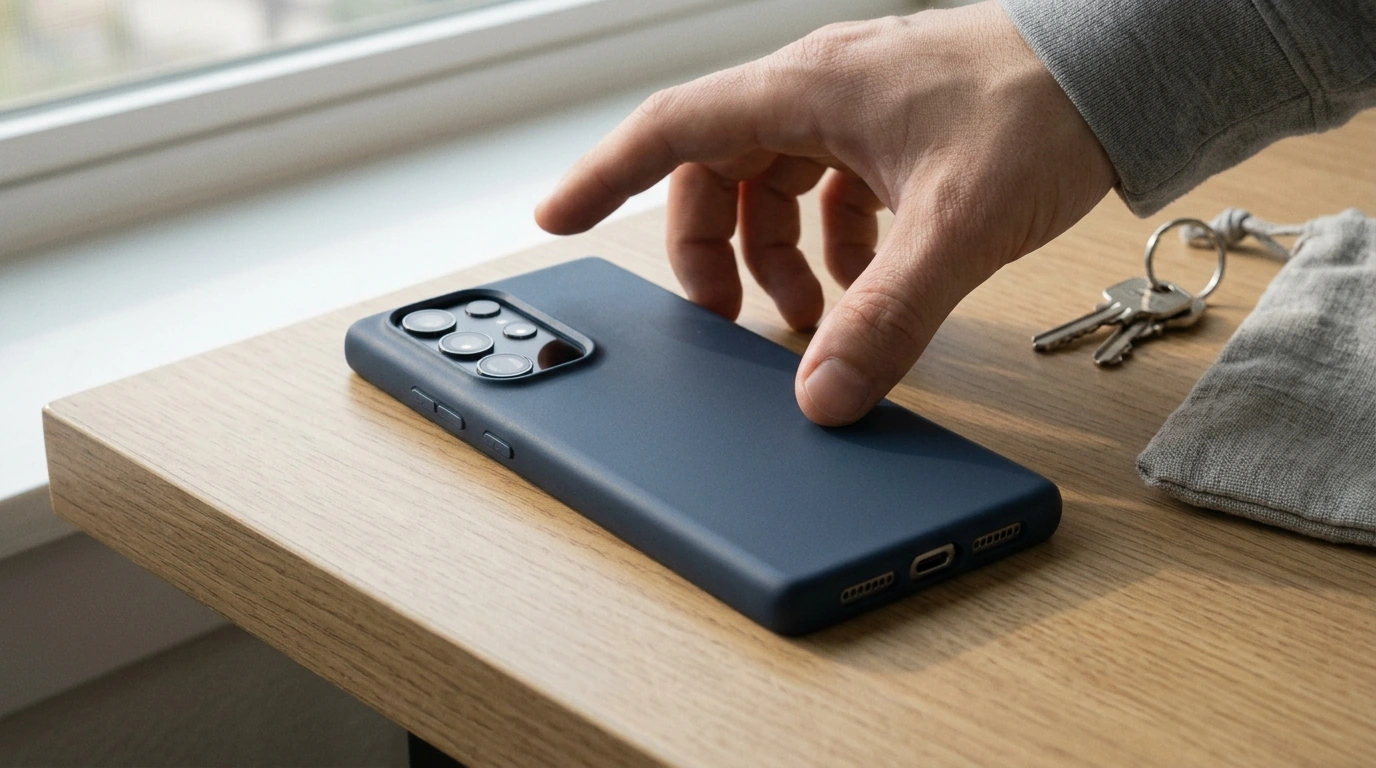
A slim, matte-finish case can make a big difference in daily grip, pocket feel, and drop confidence—especially on a large phone. This shock-absorbing matte back case is built to cover the vulnerable edges and corners while keeping the iPhone 16 Pro Max comfortable to hold and easy to use. For more guidance, see Arc Pulse iPhone Case Review: Stylish Protection & Design.
What Full Coverage Protection Means for a Pro Max
On a larger phone, even minor bumps tend to land on the corners first. “Full coverage” is less about making the case thick and more about reducing exposed zones where damage starts. For further reading, see ROKFORM Rugged Case for iPhone 17 Pro Max, Magnetic ….
- Edge-to-edge coverage focuses on the corners and perimeter, where impact forces usually concentrate during drops.
- Raised lip design helps keep the screen and camera area from contacting flat surfaces when placed face-down or camera-down.
- Wraparound fit reduces exposed gaps near buttons and corners while keeping ports and speakers accessible.
If you want a daily driver that doesn’t feel like armor, full-coverage styling is a practical middle ground: it aims to shield the phone’s most vulnerable geometry without turning it into a brick.
Matte Back Benefits: Grip, Smudge Resistance, and Everyday Comfort
A matte back isn’t just a style preference. It changes how the phone behaves in your hand, on a desk, and in your pocket—particularly helpful on a Pro Max where one-handed use can feel precarious.
- Matte texture can reduce fingerprints and oily shine compared with glossy backs.
- Improved grip helps stabilize one-handed use on larger phones and reduces accidental slips.
- Subtle finish pairs well with a minimalist look while still hiding small scuffs better than high-gloss surfaces.
For day-to-day care and handling basics, Apple’s official guidance is a useful reference for keeping devices clean and avoiding damage from improper cleaning methods: Apple Support: iPhone safety, handling, and care information.
Shock Absorption: Where Protection Actually Comes From
“Shockproof” shouldn’t be read as indestructible; it’s about how a case manages energy. A well-designed protective case is built to absorb and disperse impact, especially at corners where drops most often concentrate.
- Shockproof performance typically comes from a flexible material blend that disperses impact energy instead of transferring it directly to the phone.
- Reinforced corners add a buffer zone for the most common drop angles.
- A snug fit limits micro-movements between phone and case, reducing the chance of edge chipping during impact.
Some brands reference lab-style durability approaches, including concepts seen in environmental testing standards. For background on what those standards cover (and what they don’t), see: MIL-STD-810H Overview (U.S. Department of Defense).
Fit and Usability for iPhone 16 Pro Max
Protection only matters if the phone stays convenient. A case that’s hard to press, awkward in a mount, or annoying during charging tends to get removed—right when it’s needed most.
- Precise cutouts keep charging, speaker output, and microphone pickup unobstructed.
- Button covers should feel responsive without requiring extra force—important for quick volume changes and screenshots.
- Comfort matters: a case can be protective without feeling bulky, especially for pockets, car mounts, and handheld gaming.
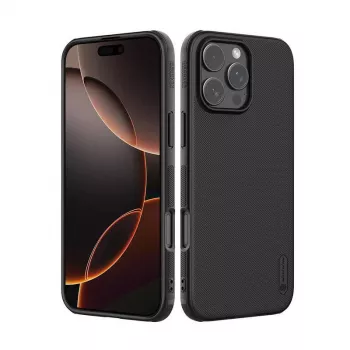
For a simple, everyday balance of grip and protection, consider the Shockproof Matte Back Case for iPhone 16 Pro Max – Full Coverage Protection. Pairing it with a minimalist pocket setup can also reduce drops caused by overstuffed pockets or juggling multiple items.
Quick Feature Snapshot
Here’s a fast way to compare what each design element does and why it matters when you’re actually using the phone—walking the dog, commuting, loading groceries, or scrolling one-handed.
| Feature | What It Does | Why It Helps Day to Day |
|---|---|---|
| Shock-absorbing construction | Disperses impact forces on drops | More confidence for commutes, gym, and errands |
| Full-coverage edges and corners | Protects vulnerable perimeter areas | Reduces scuffs and dings from bumps and falls |
| Matte back finish | Improves grip and hides fingerprints | Cleaner look with less wiping |
| Raised screen/camera lip | Adds clearance from flat surfaces | Less risk of scratches when set down |
| Button and port access | Maintains usability with protective fit | Easier charging, clear audio, responsive controls |
Recommended Add-Ons for a Streamlined Carry
A protective case covers the phone, but everyday routines often involve keys, bags, and wallets—the stuff that tends to go missing or bang into your devices. If you like a tighter, less stressful carry, these in-stock options fit well with a simple, “grab-and-go” setup:
- Apple AirTag Wallet Case for keeping essentials together while adding trackability to your wallet.
- Secure Holder with Strap for Apple AirTag for attaching an AirTag to a bag, keys, or gym gear.
Care Tips to Keep the Matte Finish Looking New
Matte cases are low-maintenance, but a few small habits keep the texture looking clean and feeling grippy—especially if the phone rides in pockets or bags with lint and grit.
FAQ
Does a matte case reduce fingerprints compared with a glossy case?
Often, yes. Matte textures diffuse oils and reflections, so smudges usually look less obvious than they do on glossy surfaces, though you’ll still want to wipe it down occasionally.
Will full-coverage protection make the phone feel bulky?
Not necessarily. Full coverage mainly refers to protecting edges, corners, and adding raised lips; bulk depends on the case’s thickness and materials, and many shock-absorbing designs aim to stay pocket-friendly.
Can the raised lip protect both the screen and the camera area?
A raised bezel can add clearance around the front and the camera area to help prevent scratches from flat surfaces. It helps with surface contact, but it doesn’t replace a screen protector for heavy impacts or gritty environments.









Leave a comment