Nylon Strap Disadvantages: Stretch, UV, Wear & Heat
What are the disadvantages of nylon straps?
Nylon straps are popular because they’re lightweight, strong for their size, and usually affordable. Still, they aren’t the best fit for every job. The main disadvantages tend to show up when nylon is exposed to abrasion, sun, chemicals, or high heat—or when you need a strap that stays perfectly rigid under load.
They can stretch under load
Nylon has a bit of “give,” which can be helpful for shock absorption but frustrating when you need a tight, no-movement hold. Over time, repeated loading and unloading can also leave straps feeling less crisp and less supportive.
Moisture can affect performance
Nylon absorbs water more than many other synthetics. When wet, it can feel heavier, take longer to dry, and may lose some stiffness. In outdoor or marine settings, this can mean more maintenance and more frequent checks.
UV exposure can weaken the material
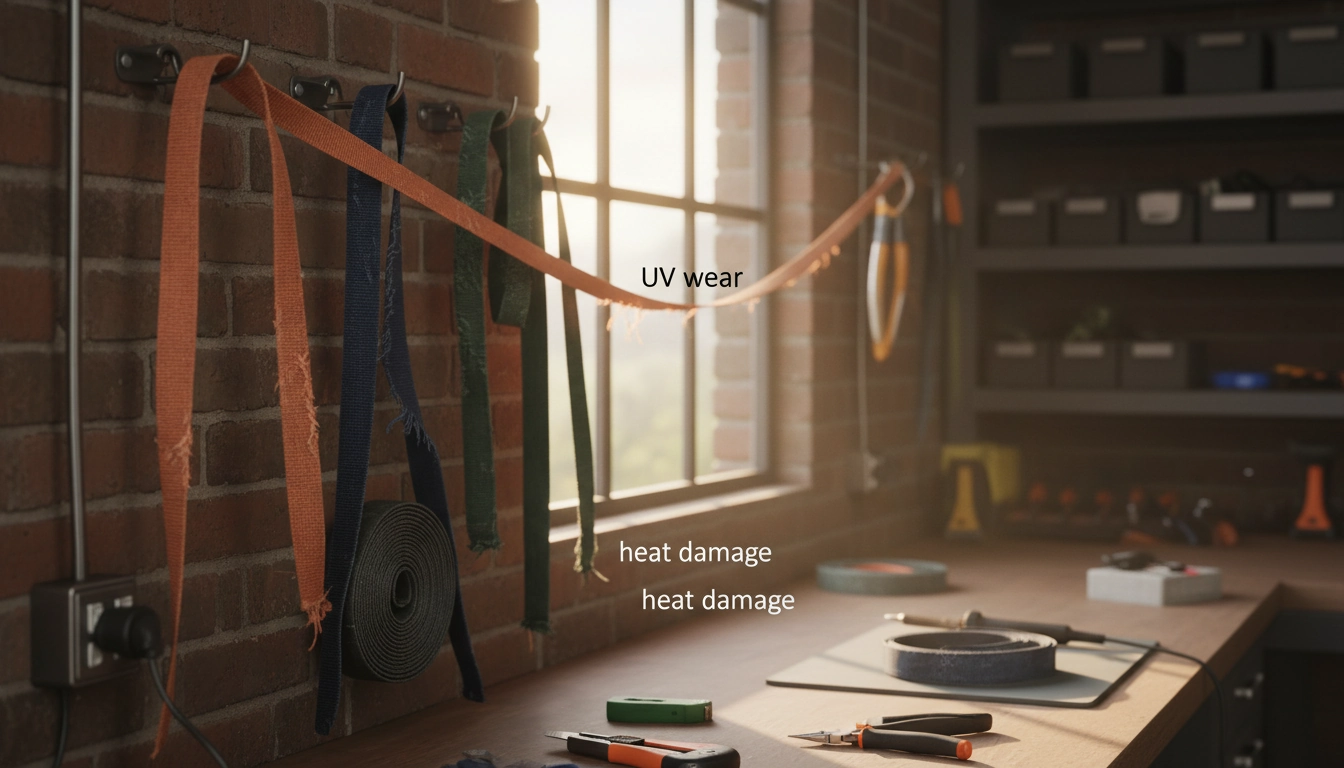
Prolonged sunlight can degrade nylon fibers. Fading is often an early sign, but the bigger issue is reduced strength and increased brittleness—especially with straps that live outside or in vehicle beds.
Abrasion and edge wear are common failure points
Nylon can fray when it rubs against rough surfaces, sharp corners, or hardware. Even when the webbing looks mostly intact, localized wear can significantly reduce overall safety margins.
Heat and some chemicals can cause damage
High heat can soften nylon and compromise integrity, and certain chemicals (including some solvents and strong acids) can weaken fibers. If straps are used around industrial cleaners, fuels, or extreme temperatures, careful material selection matters.
For a deeper breakdown and tips on choosing the right strap for your use case, visit the full guide on the disadvantages of nylon straps.
For Nylon Strap Disadvantages: Stretch, UV, Wear & Heat, the best answer depends on fit, material, care instructions, and how the product will be used day to day.
FAQ
What is the best way to care for nylon straps?
Rinse off grit and salt, let them fully air-dry out of direct sun, and store them away from heat and harsh chemicals. Regularly inspect for fraying, cuts, UV fading, and damaged stitching before use.










Leave a comment